
The mosquito problem in Lima: why action is urgent
Aedes aegypti, the mosquito that transmits dengue, zika and chikungunya, has become a growing public health problem in Metropolitan Lima. According to MINSA, Lima recorded more than 5,000 confirmed dengue cases in 2024. Districts such as San Juan de Lurigancho, Villa María del Triunfo and Ate are among the most affected. Climate warming and unplanned urbanization have favored the proliferation of breeding sites in urban areas.
Unlike the common mosquito (Culex quinquefasciatus), which bites at night, Aedes aegypti bites during the day and can transmit serious diseases. That's why professional control is essential for homes, restaurants, hotels and schools.
How does the Aedes aegypti mosquito reproduce?
It only needs a few milliliters of stagnant water to reproduce. The most common breeding sites in Lima are:
- Vases with water that isn't changed regularly
- Saucers under plant pots with accumulated water
- Boxes and containers abandoned in yards or rooftops
- Cisterns or water tanks without lids
- Old tires exposed to rain
- Clogged drains and gutters
A single female can lay between 100 and 200 eggs in her lifetime. The cycle from egg to adult takes between 8 and 10 days in warm conditions, which means a small leak can produce a colony in less than two weeks.
Professional mosquito control methods
1. Thermal fogging (hot fumigation)
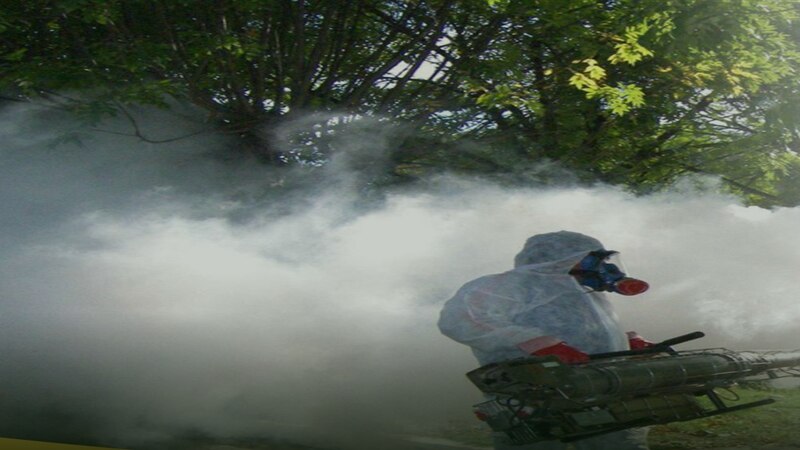
The most effective method for eliminating adult mosquitoes in both enclosed and open spaces. A thermal fogging machine turns the insecticide into a very fine mist that penetrates every corner. Ideal for gardens, patios and the exteriors of restaurants and hotels.
2. Cold fogging (ULV)
Produces ultra-fine particles that remain suspended in the air longer. Used especially indoors and in areas with vegetation. Safer for pets and plants.
3. Larvicides in breeding sites
We apply larvicide products in areas with stagnant water that can't be removed, such as drains or channels. They kill larvae before they become adults, breaking the reproductive cycle.
Preventive measures for the home
- Eliminate stagnant water: Empty and scrub water containers at least once a week.
- Cover cisterns and tanks: Always keep water storage containers covered.
- Use mosquito screens: On windows and doors, especially in bedrooms.
- Apply repellents with 20-30% DEET: The most effective for adults.
- Report public breeding sites: If you see stagnant water in public areas, report it to the municipality.
Protect your business from the impact of dengue
For food, tourism and healthcare businesses, the presence of mosquitoes is both a health and reputational risk. Fumiplagas Ecologi offers monthly maintenance plans for businesses that include periodic fumigation, breeding site control, staff training and a fumigation certificate.
Call us at 792-2845 or message us on WhatsApp at 988 552 106. We carry out free inspections for businesses.
 792 2845